The Minimum Structure You Need to Scale Without Burning Out

The Minimum Structure You Need to Scale Without Burning Out
There is a version of growth that looks good on paper and feels expensive everywhere else.
More clients. More visibility. More revenue. But also more open loops, more decisions living in your head, and more days where your business only works because you personally keep catching every moving piece.
That is usually the moment the old metric stops working.
Not, “Can I handle this?”
But, “Should my business still require this much of me to keep running well?”
If you have reached the point where your business depends on your memory, your availability, and your ability to keep pushing through, this is not a sign that you are failing. It is usually a sign that your success has outgrown your structure.
This post is the practical companion to Episode 41, The Moment “I Can Handle This” Stops Being True. The podcast names the turning point. This blog shows you what to build next.
We are not talking about a giant operations rebuild. We are talking about the minimum structure that helps an established service provider create more capacity, protect delivery, and build supported growth that actually holds.
What “minimum structure” really means (and what it doesn't)
When service providers hear the word structure, they often picture something heavier than what they actually need: a complicated project management setup, a massive SOP library no one will maintain, or a business full of tools that create more supervision, not less.
That is not the goal. Minimum structure means the smallest set of workflows, decisions, and supports your business needs to carry your current level of growth without relying on constant mental load.
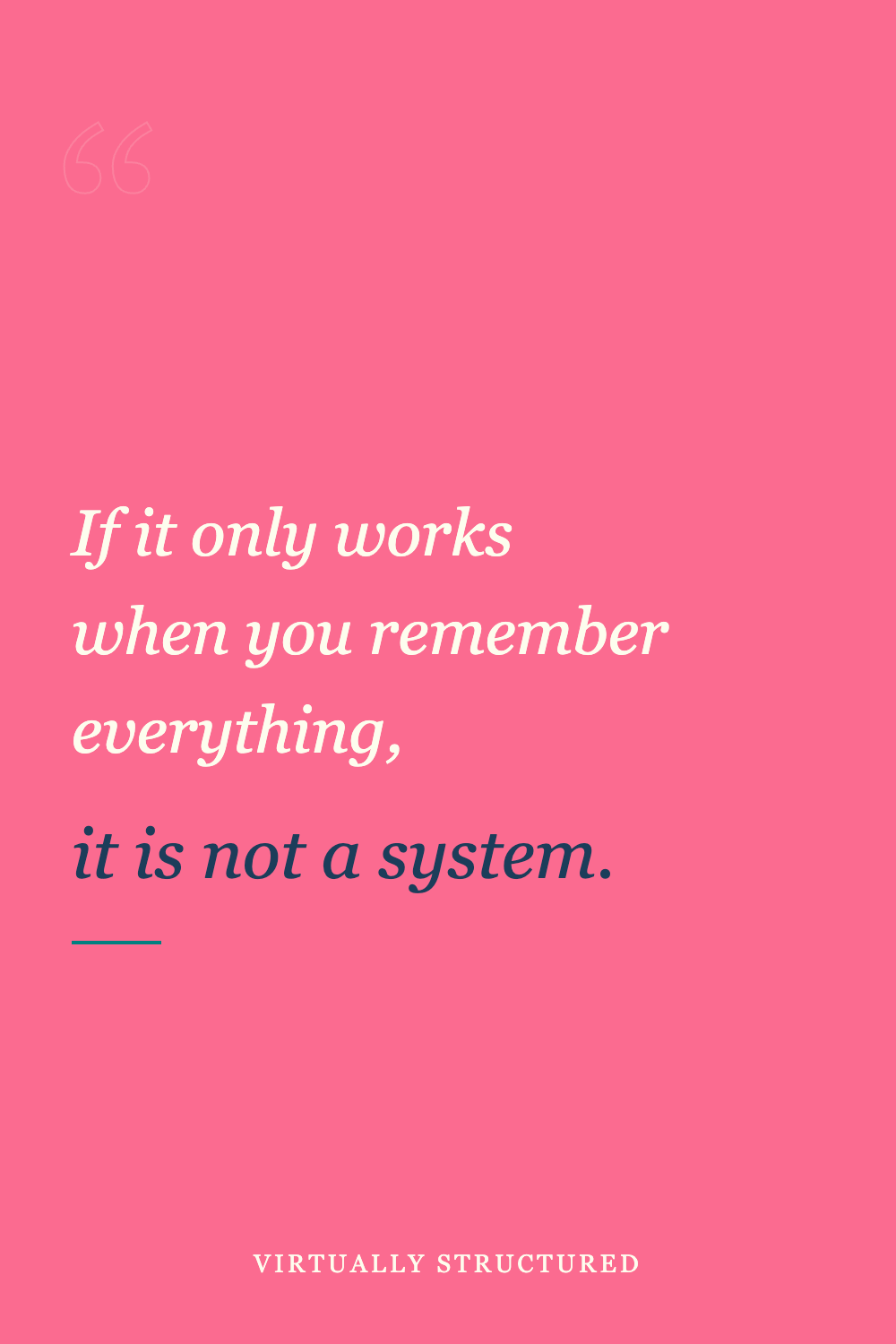
In plain language: if it only works when you remember everything, it is not a system. Minimum structure gives your business a place to hold what you have already built — not a black box, not busywork, a clear operating rhythm you can actually lead.
It is not about documenting everything before you're ready, automating every corner of the business, or building for a future version of your company that doesn't exist yet.
It is about getting recurring decisions out of your head, making delivery more repeatable, protecting capacity before you quietly overcommit, and creating a foundation you'll be able to delegate later.
The hidden cost of scaling without structure
Most founders can carry a surprising amount on sheer capability for a while. You know how to figure things out. You can make fast decisions. You can hold a lot together.
That strength is often what gets the business off the ground. It is also what can hide the problem for longer than you think.
Because when growth outpaces structure, the cost does not always show up as one dramatic breakdown. It shows up in quieter ways:
- Decision fatigue because you are re-deciding the same things every week.
- Reactive delivery because work is moving, but not through a defined workflow.
- Capacity distortion because you keep saying yes based on optimism instead of what your calendar and backend can actually support.
- Visibility gaps because marketing happens when you have energy, not because it is built into a repeatable rhythm.
- Leadership drag because you are still acting like the memory bank, project manager, and quality control department all at once.
From the outside, it can look like you are doing well. And maybe you are. But inside the business, it feels heavier than it should. That weight is information.
It usually means your business has reached the point where effort alone is no longer a clean growth strategy. You do not need more willpower. You need a stronger container.
The three places structure protects you most
If you are an established service provider, you do not need twenty systems to feel more supported. You need a few simple, CEO-level foundations that reduce rework and give you ownership.
1. A clear client delivery path
This answers one question: What happens every time someone says yes? Not the idealized version. The real version. The version your business can follow even on a busy Tuesday.
Minimum structure here might look like one reusable onboarding checklist, a standard set of client touchpoints, defined stages for active work, approvals, and wrap-up, and one clear home for files, notes, and next steps.
When you have this, you stop rebuilding delivery from scratch with every client. This matters for more than efficiency — it protects quality, protects trust, and makes future delegation possible.
2. A steady, repeatable marketing rhythm
Growth gets shaky when marketing depends on spare energy. You do not need to be everywhere. You do need owned organic visibility that compounds over time — assets you own, like your blog, podcast, newsletter, and collaborations, not daily posting pressure.
Minimum structure here might look like one core long-form asset each week, a simple plan for how that asset gets repurposed, and a clear CTA that stays consistent across the content set.
This week is a good example: the podcast names the emotional turning point, the newsletter offers the quick gut-check, and the blog gives the practical framework. Same core message. Different job. That is structure.
3. A lightweight CEO view of your business
This is the piece many service providers skip because it feels less urgent than client work — until they realize they are making important decisions from the middle of the week instead of from a clear view.
Minimum structure for the CEO role means having one place to see what is currently being delivered, what your actual capacity looks like, what revenue and commitments are in motion, and what matters most this week.
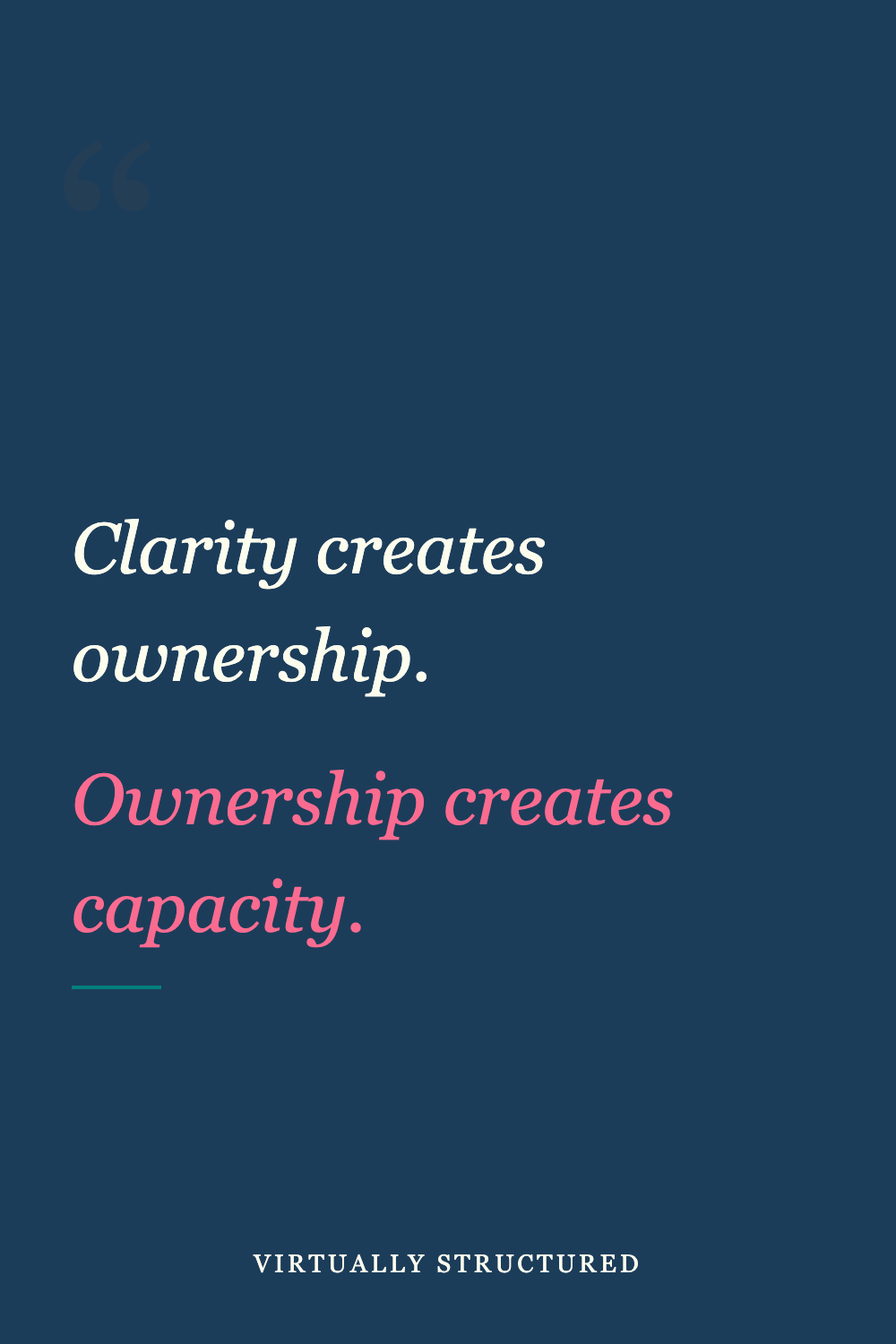
Clarity creates ownership. Ownership creates capacity. Capacity makes cleaner delegation and supported growth possible.
How to build your minimum structure (without burning out in the process)
You do not need a total overhaul. In fact, trying to fix everything at once is usually what creates another abandoned system. Here is the better approach.
Step 1: Ask, “What would break first?”
If you stepped away for one week, what would feel most fragile? Be honest — not theoretical, actual pressure points. Maybe it is client delivery, follow-up, content publishing, payment tracking, or simply knowing what happens next without you.
That answer tells you where your business needs structure first. Do not start with what sounds smartest. Start with what is creating the most drag.
Step 2: Capture the version that already works
You do not need to invent a brand-new process from nowhere. Start by documenting the version that works when things go well. Ask yourself: What are the stages? What decisions keep repeating? What steps do I never want to rely on memory for again? What does “done” actually mean here?
You are not trying to create a formal operating manual. You are trying to create enough clarity that the work can move without constant mental translation. That alone creates relief.
Step 3: Turn it into a tiny, usable system
Now choose the simplest home for that process — a template in ClickUp, a short SOP with linked resources, a checklist attached to a service, or a basic workflow with defined stages.
Then ask: What needs to be decided once? What should happen the same way every time? What would make this easier to hand off later? The goal is not elegance. The goal is lower friction, clearer ownership, and less rework.
How minimum structure keeps burnout at bay
Burnout rarely comes from one big moment. It is usually the accumulation of smaller patterns: holding too many decisions open, carrying the whole operation mentally, saying yes past real capacity, and rebuilding the same workflows every week.
Minimum structure interrupts those patterns. It gives your brain a place to put things. It makes delivery more predictable. It helps your business keep moving without asking you to be the glue for every single step.
Instead of constantly asking, “What am I forgetting?” — you start asking, “What does the system say is next?”
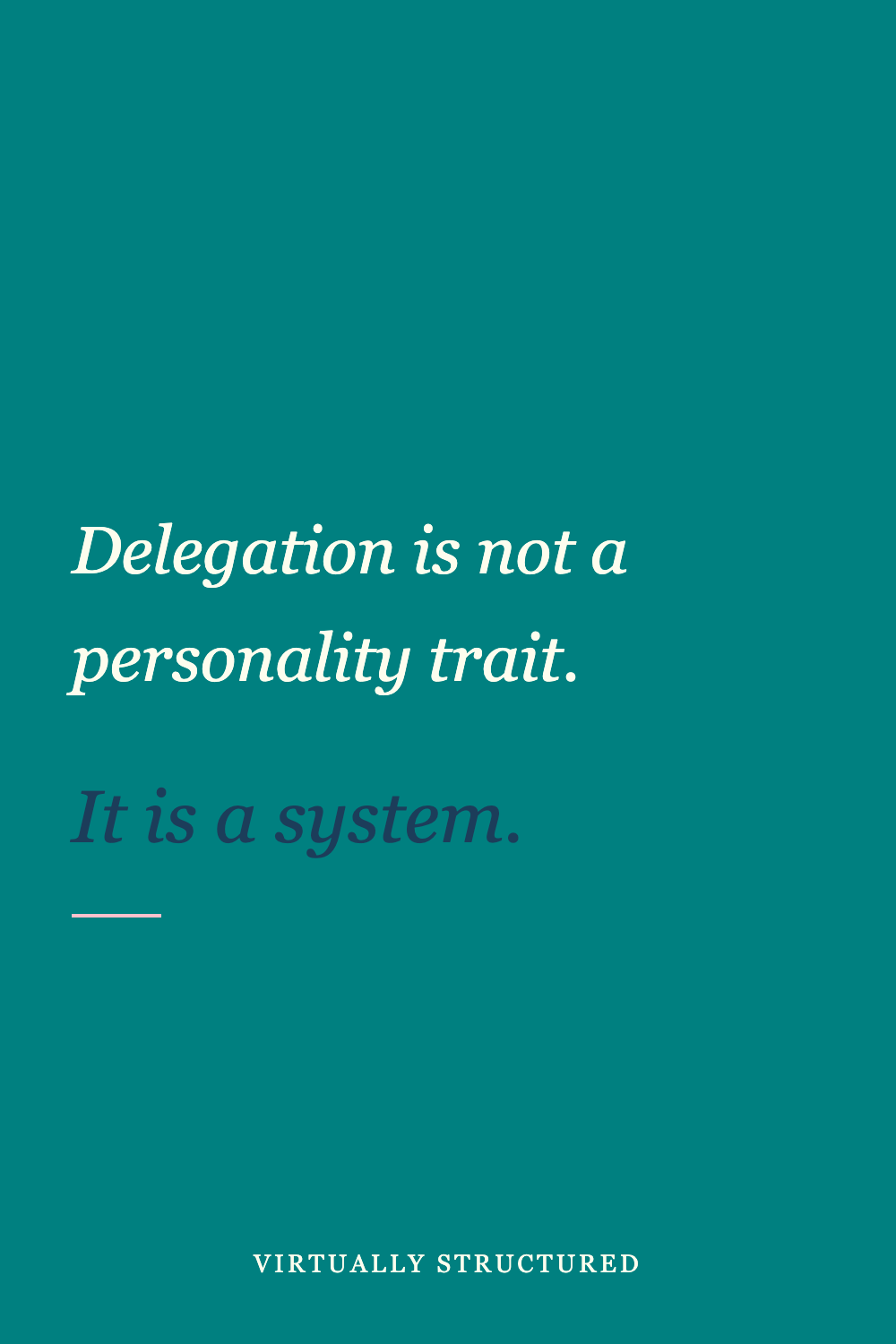
That is a very different kind of business. One built on calm control, not heroics. Delegation is not a personality trait. It is a system.
Where to go from here
If this post feels personal, that is probably because you are in the exact season where your business is asking for a stronger foundation. Not more effort. Not more tools. Not more proving. Just better support.
Start here:
- Choose one area that feels heavier than it should.
- Ask what would break first if you stepped away.
- Capture the version of the process that already works.
- Turn it into a simple structure you can follow and eventually hand off.
And if you want a fast, honest read on where your business is leaking time, capacity, or clean handoffs, take the Are You the Bottleneck in Your Business? quiz — a few minutes to see exactly where to focus next.
That is the work. Not building a perfect backend overnight. Building enough structure that your business can hold the growth you want without demanding all of you in return.